
Your cart is currently empty!
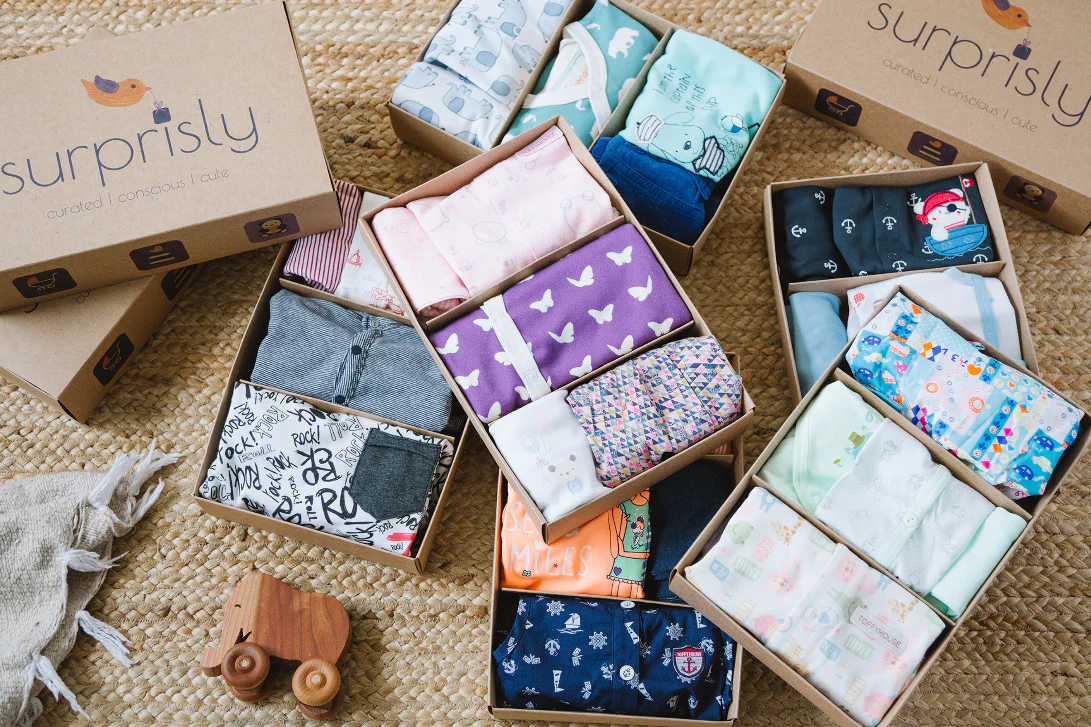
Baby Clothing Packaging: Where Hygiene Meets Beauty
In today’s market, selling baby clothing is no longer just about fabric quality or price. Parents care deeply about safety, cleanliness, and trust. This is where baby clothing packaging evolves from a simple protective layer into a powerful trust-building tool. Packaging is the first thing customers see—before touching the fabric, before trying the clothes, and even before judging the brand.
This article explores why baby and newborn clothing packaging matters and how hygiene standards shape customer trust.
Why Baby Clothing Packaging Matters More Than Ever
Baby and newborn garments come into direct contact with sensitive and delicate skin. Even minor contamination, unpleasant odors, or exposure to unsafe materials can raise serious concerns for parents. That’s why newborn clothing packaging must be designed with hygiene and reassurance at its core—not just aesthetics.
From a parent’s perspective, the packaging silently answers key questions:
- Is the clothing clean and untouched?
- Has it been protected during shipping?
- Does this brand truly care about my child’s health?
Before the product is even seen, the packaging already speaks.
Hygiene Standards in Packaging: A Non-Negotiable Priority
When it comes to hygienic baby clothing packaging, there is zero room for compromise.
1. Safe and Odor-Free Materials
Packaging must be free from chemical smells, dust, and lint. Clean cardboard, multilayer papers without internal printing, and simple protective wraps are smart and reliable choices.
2. Separation from the External Environment
Garments should first be placed inside a protective inner layer—such as tissue paper or a transparent protective bag—before entering the main package. This minimizes exposure to air and handling.
3. Reliable Sealing
Tamper-evident packaging builds immediate trust. When parents can clearly see that a package hasn’t been opened, their confidence rises instantly.
Newborn Clothing Packaging: Calm, Minimal, Reassuring
In baby packaging design, simplicity wins. Parents naturally gravitate toward packaging that feels:
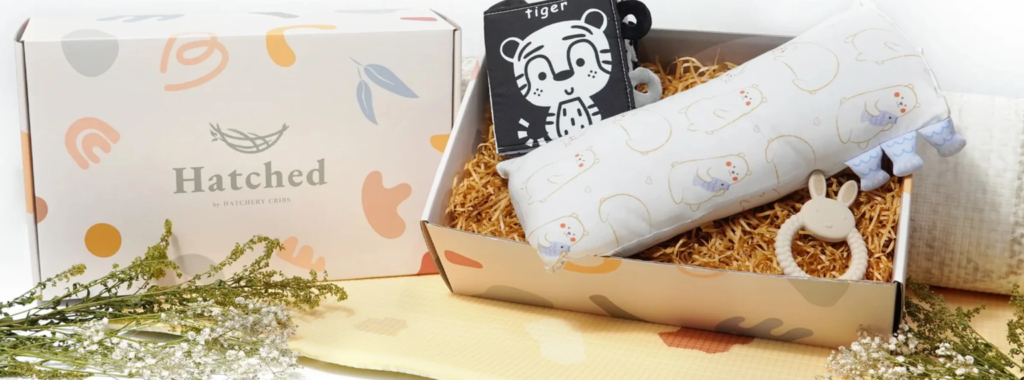
- Soft and pastel-colored
- Clean and spacious
- Organized and hygienic
Boxes that open smoothly or packaging that unfolds effortlessly enhance the buying experience. Even minimal patterned tissue paper can subtly reinforce a feeling of softness and care.
The Gift Experience—Even for Personal Purchases
Interestingly, many parents enjoy the feeling of receiving a gift—even when buying for their own child. Layered packaging, soft tissue wrapping, a neat box, and a small message can create that emotional moment.
This emotional touch significantly increases the chances of:
- Social media sharing
- Positive brand perception
- Repeat purchases
Aligning Packaging with Brand Identity
Baby clothing packaging should reflect the brand’s personality.
A minimalist brand with cluttered packaging sends mixed signals. A premium brand with weak packaging undermines its promise. Clean structure, well-designed shapes, and thoughtful details show care—something parents deeply value.
Packaging for Online Baby Clothing Stores
In e-commerce, packaging must survive the journey—not just look good on a shelf.
Ideal packaging should:
- Withstand pressure during shipping
- Protect against moisture
- Maintain its neat appearance upon delivery
Combining beautiful inner packaging with durable outer protection keeps both parents and products safe.
Common Baby Clothing Packaging Mistakes
Avoid these trust-destroying shortcuts:
- Using unhygienic recycled materials
- Loud colors and cluttered designs
- Low-quality adhesives or inks
- Packaging that is difficult to open
These may cut costs—but they kill trust.
Conclusion
Baby clothing packaging is not just a cover—it is a message. A message about hygiene, care, and respect for parents and their children. Brands that invest in hygienic and thoughtful newborn clothing packaging are investing in long-term customer trust.
In this sensitive market, small details create big differences.
by
Leave a Reply