
Your cart is currently empty!
8 Product Packaging Design Tips That Help You Outperform Competitors
In today’s highly competitive marketplace, product quality alone is no longer enough to guarantee success. Before customers touch, test, or experience your product, they encounter its packaging. Research consistently shows that shoppers spend only a few seconds evaluating products on store shelves or browsing through online listings. That’s why product packaging design has become one of the most powerful marketing tools available to modern brands.
If you want your products to stand out among countless alternatives, these eight practical packaging design tips can help you attract attention, build trust, and increase sales.
1. Make a Strong First Impression
The first interaction customers have with your product happens through its packaging. Distinctive colors, unique structures, and creative visual elements can instantly capture attention and encourage shoppers to take a closer look.
Before creating your packaging, study your competitors. Identify common design patterns within your industry and look for opportunities to differentiate your brand visually.
For eCommerce businesses, this is especially important. While customers scroll through product listings, attractive packaging can make them stop, click, and explore further.
2. Highlight Your Product’s Unique Benefits
One of the key principles of effective product packaging design is clearly communicating why customers should choose your product over others.
Ask yourself:
- What makes your product different?
- Is it handmade?
- Does it use premium ingredients?
- Is it more sustainable?
- Does it offer superior performance?
Your packaging should showcase these advantages prominently so customers can quickly understand your product’s value.
3. Design Packaging That Is Functional
Great packaging is not only visually appealing—it should also improve the customer experience.
Functional packaging solutions may include:
- Resealable pouches
- Magnetic closure boxes
- Reusable containers
- Easy-open designs
- Multi-purpose packaging
When customers find packaging convenient and practical, they perceive greater value in both the product and the brand.
4. Use Clear and Readable Typography
Nothing frustrates customers more than packaging that is difficult to read.
Essential information such as:
- Product name
- Features and benefits
- Instructions for use
- Ingredients or specifications
should be displayed using clear typography and appropriate font sizes.
Successful retail packaging maintains a balance between visuals, branding, and readability. The easier information is to absorb, the more likely customers are to make a purchase.
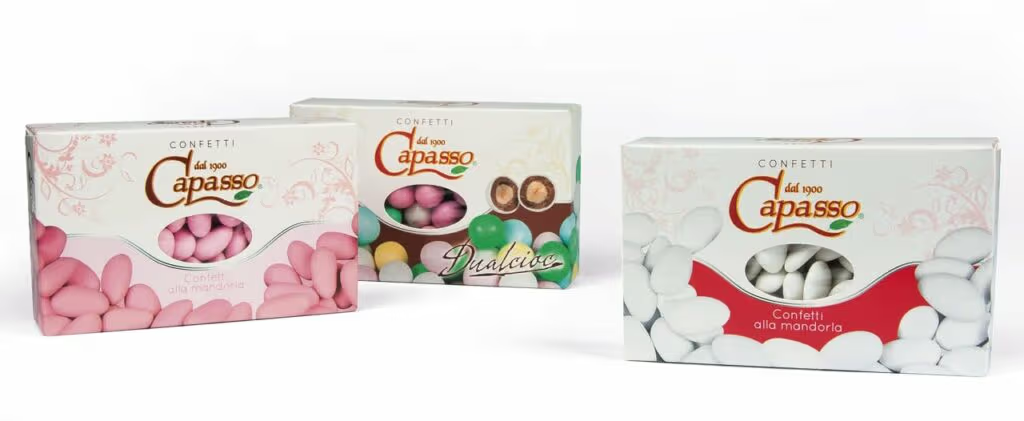
5. Let Customers See the Product
Some products naturally benefit from being partially visible before purchase.
Adding transparent windows or die-cut openings can increase customer confidence and create a stronger connection with the product.
This strategy works particularly well for:
- Chocolates and confectionery
- Snacks and dried fruits
- Handmade products
- Gifts and crafts
- Beauty products
When customers can see what they’re buying, purchasing decisions often become easier.
6. Engage Multiple Senses
One hallmark of creative packaging design is the ability to create a memorable sensory experience.
Consider incorporating:
- Embossing or debossing
- Foil stamping
- Soft-touch coatings
- Textured papers
- Premium finishes
- Specialty printing techniques
The more enjoyable the unboxing experience, the more likely customers are to share it on social media. For online stores, this creates valuable user-generated marketing content at no additional cost.
7. Build Trust Through Packaging
Customers—especially those purchasing from a brand for the first time—look for signals that inspire confidence.
Your packaging can reinforce trust by displaying:
- Certifications
- Quality seals
- Product guarantees
- Safety standards
- Contact information
- Social media channels
Providing transparent information helps customers feel more comfortable choosing your product and strengthens your brand’s credibility.
8. Demonstrate Environmental Responsibility
Today’s consumers are increasingly aware of environmental issues and often prefer brands that share their values.
Using sustainable packaging solutions such as:
- Recyclable materials
- Reusable packaging
- Eco-friendly inks
- Reduced packaging waste
can become a significant competitive advantage.
If your packaging supports sustainability goals, make sure customers know about it. Communicating your environmental commitment can strengthen trust and improve brand perception.
Conclusion
Packaging is far more than a protective layer around your product—it’s often your brand’s first salesperson.
A well-executed product packaging design strategy can attract attention, communicate value, build trust, and improve customer loyalty. Whether you’re running a small online shop or scaling a growing business, investing in thoughtful packaging can directly influence sales and long-term brand recognition.
By combining functionality, visual appeal, brand storytelling, and sustainability, your packaging can become a powerful competitive advantage that helps your products stand out in crowded retail and eCommerce markets.
by
Leave a Reply