
Your cart is currently empty!
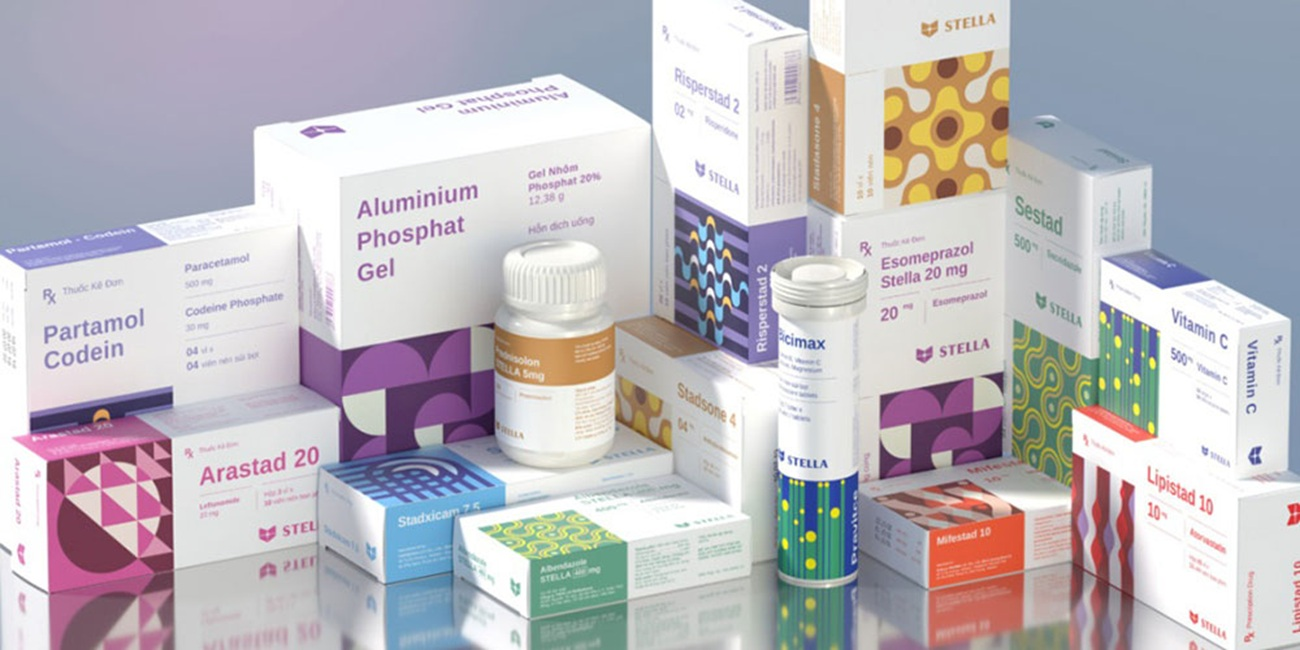
Pharmaceutical Packaging Principles and Legal Regulations
In the pharmaceutical industry, packaging is not merely a protective layer—it is a critical component of the therapeutic safety chain. Pharmaceutical packaging principles ensure that medicines reach patients without contamination, tampering, or quality degradation during storage and distribution. Even the smallest failure in packaging can reduce drug efficacy or, worse, endanger patient health. That is why strict pharmaceutical packaging standards and regulatory frameworks exist at both national and international levels.
Why Pharmaceutical Packaging Principles Are Critically Important
Medicines are highly sensitive to light, moisture, oxygen, and temperature fluctuations. Primary packaging must effectively control these environmental factors. Resistant bottles, multilayer blister packs, certified vials, and secure tubes are all designed in accordance with pharmaceutical packaging principles.
Beyond physical protection, information integrity is equally vital. The generic and brand name, dosage instructions, warnings, manufacturing date, and expiration date must be clear, legible, and tamper-resistant. Secondary packaging—often carton-based—plays a crucial role in preserving printed information throughout the distribution cycle. Durable cardboard structures with protective coatings significantly enhance resistance to transportation stress and environmental exposure.
International Pharmaceutical Packaging Standards
Global regulatory bodies such as the U.S. Food and Drug Administration (FDA), the European Medicines Agency (EMA), and the World Health Organization (WHO) have established strict frameworks governing pharmaceutical packaging standards.
These standards typically require:
- Use of approved and non-reactive packaging materials
- Child-resistant designs for high-risk medications
- Unique serial numbers and traceable barcoding systems
- Tamper-evident features to clearly indicate unauthorized opening
Serialization and traceability are not only quality-control measures—they are essential tools in combating counterfeiting and illegal distribution.
In Iran, the Iran Food and Drug Administration mandates Persian labeling, license numbers, tracking codes, and expiration dates. Compliance with such national regulations is an inseparable part of pharmaceutical packaging principles.
Hygienic Pharmaceutical Packaging Requirements That Cannot Be Ignored
Hygienic pharmaceutical packaging directly impacts patient safety. Production environments must be strictly controlled, and packaging materials must be free from microbial contamination.
Primary packaging must not chemically interact with the drug formulation or alter its molecular stability. In printing and finishing processes, only certified inks and coatings approved for pharmaceutical use should be applied.
To enhance durability against moisture and abrasion, manufacturers often use protective laminations or surface coatings. High-quality carton selection also contributes to maintaining packaging integrity during handling and distribution. These measures collectively ensure compliance with hygienic pharmaceutical packaging requirements.
Pharmaceutical Shipping Regulations and Legal Requirements
An essential component of drug distribution involves pharmaceutical shipping regulations. Prescription medications cannot be distributed without proper verification, and controlled substances require special handling and licensing.
Authorized distributors and pharmacies must hold official permits for transportation. From a technical standpoint, packaging must withstand shock, compression, and temperature variation during transit.
Temperature-sensitive drugs such as insulin and vaccines require insulated packaging and cold-chain solutions. Clear storage instructions must appear on the packaging, and traceability systems must remain active throughout the supply chain.
Patient privacy is also a legal consideration. In many jurisdictions, medication names should not be prominently displayed on outer shipping packages to protect confidentiality.
Structural Design and Its Role in Pharmaceutical Safety
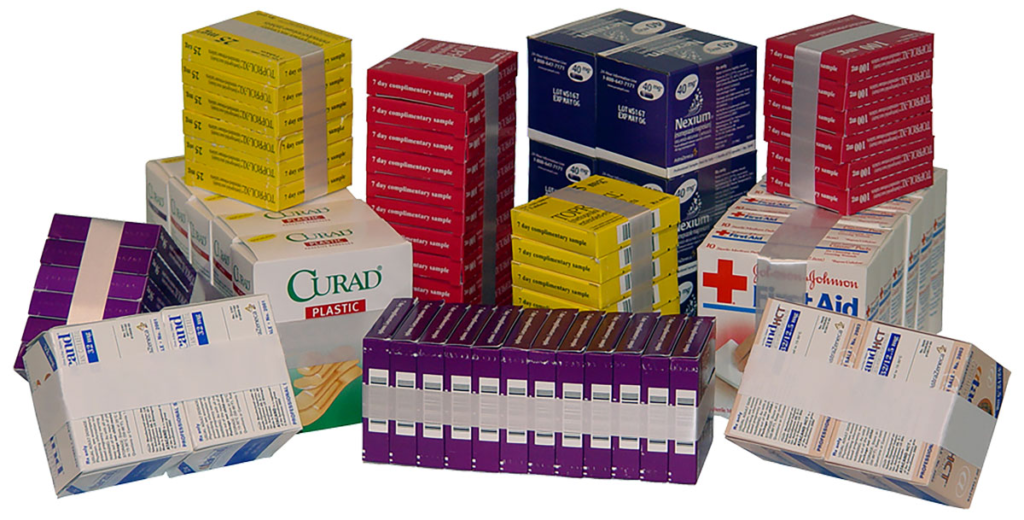
Pharmaceutical packaging structure must balance durability with functionality. Precisely die-cut carton boxes allow organized stacking and reduce transport damage. In certain products, additional protective layers or reinforced coatings are incorporated to enhance resistance.
Print quality is not merely aesthetic—it is regulatory. High legibility, resistance to ink smudging, and durability against abrasion are professional requirements within the pharmaceutical sector.
These technical details may go unnoticed by consumers, but within the pharmaceutical industry, they carry strategic importance.
Conclusion
Strict adherence to pharmaceutical packaging principles is not merely an industrial obligation—it is a human responsibility. From material selection to hygienic pharmaceutical packaging practices and full compliance with pharmaceutical shipping regulations, each step plays a role in safeguarding patient health.
Pharmaceutical packaging must simultaneously protect, inform, secure, and enable traceability. The more professionally designed and standards-compliant the packaging system is, the greater the trust in the pharmaceutical brand—and the more reliable the continuity of care.
by
Leave a Reply