
Your cart is currently empty!
What to Know Before Ordering Custom Labels
Before ordering custom labels, there are several important factors to consider, including their purpose, material, size, adhesive, and printing method. Choosing the right label can directly affect the appearance of your packaging and the way customers recognize your brand.
Understanding the different types of adhesive labels and paying attention to key label specifications can help you choose an option that fits your product and packaging. It can also help you avoid common problems after printing, such as poor adhesion, incorrect sizing, or difficult-to-read information.
What Should You Decide Before Ordering Custom Labels?
One of the most important things to consider before ordering labels is where and how they will be used. A label applied to a cardboard box may require different specifications from one used on glass, plastic, or a packaging pouch.
1. Determine the Label Size and Shape
Before placing an order, measure the area where the label will be applied.
A label that is too large can make the packaging look crowded, while one that is too small may not provide enough space for important information. The shape of the label also matters.
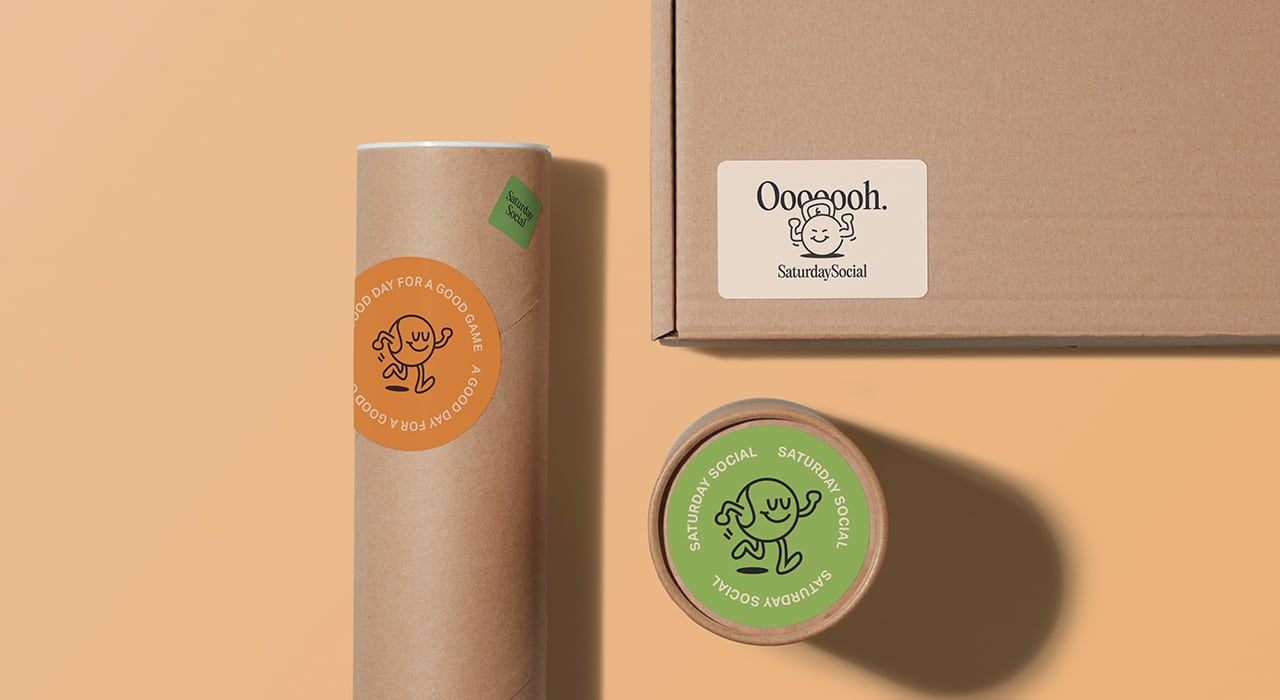
Rectangular and square labels are common choices, but depending on your brand and packaging design, you may also consider round, oval, or custom-shaped labels to create a more distinctive appearance.
2. Choose the Right Label Material
Material is another key factor when choosing a label.
Consider whether the label needs to withstand moisture, friction, handling, or specific environmental conditions. For products kept in dry, standard conditions, paper labels can be a practical option.
However, if the packaging is likely to come into contact with moisture or requires greater durability, you should pay closer attention to the material and its resistance before placing your order.
The right material should match both the product and the conditions in which the packaging will be stored, transported, and handled.
3. Don’t Overlook the Adhesive
A label can have excellent printing and an attractive design but still fail if its adhesive is not suitable for the surface.
The type of surface, its smoothness, temperature, and storage conditions can all affect how well a label adheres.
Before ordering custom labels, determine exactly where the label will be applied and whether standard adhesion is sufficient or you need a label with specific adhesive properties.
Testing the label on the actual packaging surface before placing a large order can also help prevent unnecessary waste.
What Are the Different Types of Adhesive Labels?
When comparing different types of adhesive labels, don’t focus only on color and design. Labels can vary in terms of material, size, shape, printing method, adhesive properties, and intended use.
For example, an online clothing store may need a label featuring its logo and brand identity, while a handmade-products business may need labels containing the product name, specifications, or additional information.
You should also decide whether you need ready-made labels or custom labels.
Ready-made labels can be a convenient option when you need a standard design or simple packaging solution. On the other hand, if you want your brand name, logo, product information, or a specific design printed on the label, custom production gives you more control over the final result.
What Information Should a Custom Label Include?
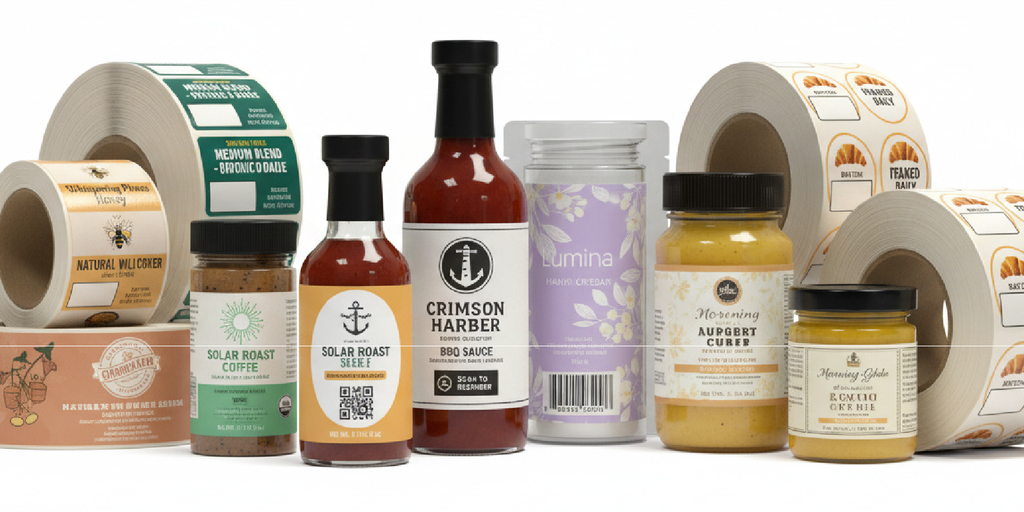
Prepare and finalize the label content before placing your order.
Depending on the purpose of the label, this information may include your brand name, logo, product name, contact details, website, social media accounts, or other required information.
Pay particular attention to spelling. A typo on a printed label cannot be easily corrected and may result in a large quantity of wasted labels.
Before approving the final design, carefully check your brand name, phone number, website address, and any other essential information.
Readability is equally important. Using too much text, too many fonts, or excessive graphic details can make a label difficult to read, especially when the label is small.
A good label should communicate the necessary information clearly without making the packaging look visually overloaded.
Does Your Business Need Custom or Ready-Made Labels?
Not every product requires a fully customized label.
For some online stores, a ready-made label may be enough to meet their packaging needs. For others, a custom label can create stronger consistency between the packaging and the brand identity.
Pivazh offers both custom adhesive labels and ready-made labels, allowing businesses to choose an option based on their packaging requirements, budget, and branding needs.
This flexibility can be particularly useful for small and medium-sized online stores. Instead of producing a completely custom label for every product, a business can use ready-made labels where appropriate and invest in custom labels when stronger brand consistency is important.
Final Thoughts
Before ordering custom labels, ask yourself a few simple questions:
- What surface will the label be applied to?
- What size and shape should it have?
- How much durability or moisture resistance does it require?
- What information needs to be printed on it?
- Do you actually need a custom label, or would a ready-made option be enough?
Understanding the different types of adhesive labels and considering these factors before ordering can help you make a more informed choice.
A well-designed label should not only look good. It should adhere properly, remain readable, fit the packaging, and support your brand identity.
After all, a label is a small part of your packaging, but it can play an important role in how customers see and remember your brand.
by
Leave a Reply