
Your cart is currently empty!
What Is Environmental Packaging Labeling?
In recent years, environmental awareness has become a major factor influencing consumer purchasing decisions. Today, buyers evaluate more than just product quality—they also consider whether a product uses environmental packaging labeling and follows sustainable packaging practices.
Environmental labels provide essential information about packaging materials, recycling methods, and proper disposal. They help consumers make informed, environmentally responsible choices while encouraging brands to adopt more sustainable practices.
In many countries, environmental packaging labels are no longer optional—they are required by law. Even where regulations have not yet made them mandatory, adopting them can significantly improve brand credibility and demonstrate a genuine commitment to sustainability.
What Is Environmental Packaging Labeling?
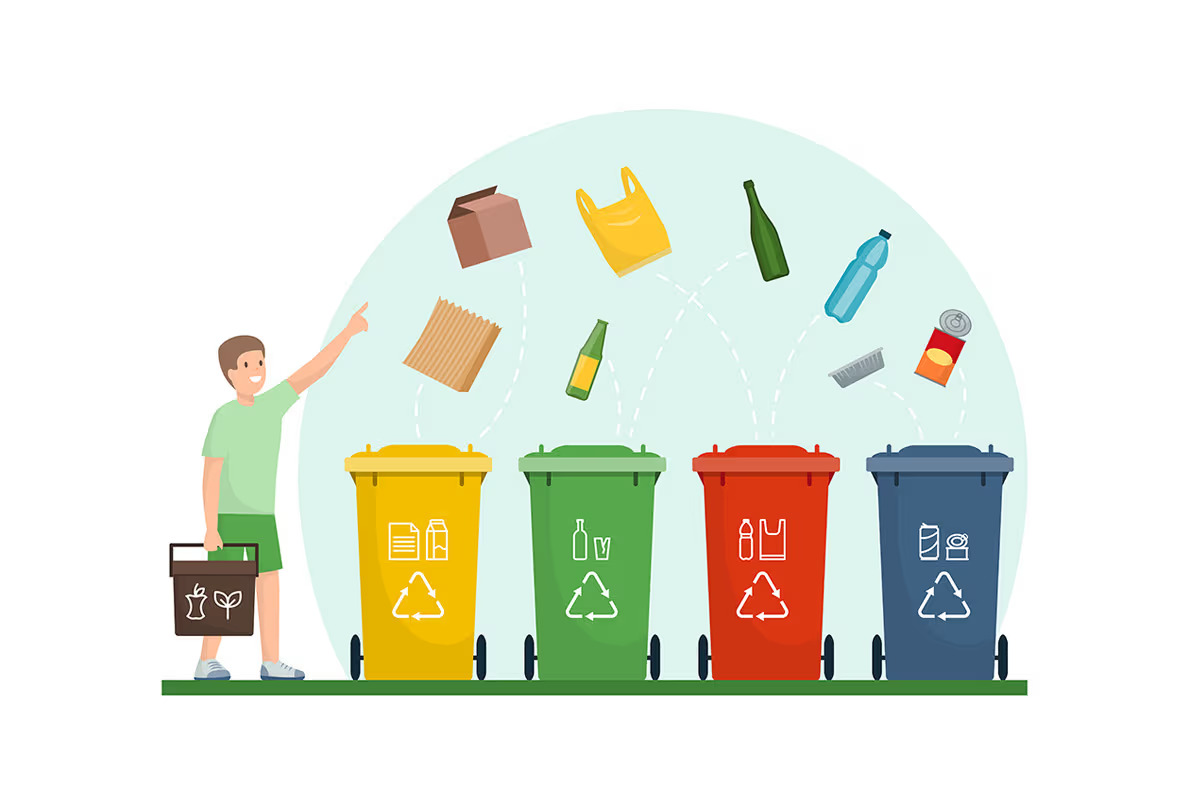
Environmental packaging labeling refers to the information printed on product packaging that explains:
- What materials the packaging is made from
- How each component should be sorted for recycling
- The correct disposal method
- Whether the packaging meets environmental standards
The primary purpose of these labels extends beyond simply providing information. They encourage responsible consumption and help reduce landfill waste by making recycling easier and more accessible for consumers.
When customers understand exactly how to dispose of each packaging component, recycling rates increase considerably.
Why Environmental Packaging Labels Are Becoming More Important
Governments worldwide are introducing stricter environmental regulations to reduce packaging waste and pollution.
As a result, manufacturers, retailers, and ecommerce businesses are expected to adapt their packaging practices to comply with these evolving standards.
In many international markets, environmental packaging information is no longer viewed as a competitive advantage—it’s a legal requirement.
Businesses that adopt these standards early position themselves for long-term success, both domestically and internationally.
What Information Is Included on Environmental Packaging Labels?
The exact requirements vary from country to country, but most environmental packaging labels include:
- The packaging material (paperboard, plastic, glass, metal, etc.)
- Material identification codes
- Recycling instructions
- Guidance for separating different packaging components
- Manufacturer or distributor information
- Environmental certifications or compliance statements (where applicable)
The clearer and simpler these instructions are, the more likely consumers are to recycle packaging correctly.
How Sustainable Packaging Supports Environmental Labeling

Environmental labels only create real value when they’re paired with sustainable packaging.
Using recyclable cardboard, minimizing unnecessary plastic, reducing material consumption, and selecting environmentally responsible raw materials all contribute to meaningful sustainability.
Simply adding a recycling label to non-recyclable packaging offers little benefit. Genuine environmental responsibility requires both transparent labeling and thoughtful packaging design.
Why Ecommerce Businesses Should Pay Attention
Environmental packaging isn’t only relevant for large manufacturers.
Online stores and small businesses can benefit significantly from adopting sustainable packaging practices.
Today’s customers increasingly view packaging as an important part of the overall shopping experience.
Simple improvements such as:
- Recyclable cardboard boxes
- Eco-friendly printing
- Recycling instructions
- Messages promoting environmental responsibility
can strengthen your brand image while demonstrating your commitment to sustainability.
Many customers also share thoughtfully designed packaging on social media, providing valuable organic exposure for your business.
What Happens If Businesses Ignore Packaging Regulations?
In countries where environmental labeling laws are already enforced, failing to comply may result in:
- Financial penalties
- Restrictions on product distribution
- Product recalls
- Delays in entering international markets
For this reason, many companies incorporate environmental compliance into their packaging design process from the very beginning, avoiding costly redesigns and legal complications later.
How to Future-Proof Your Packaging Strategy
Global packaging regulations continue to become more demanding each year.
Preparing today can save significant costs and protect your brand in the future.
Consider these best practices:
- Use recyclable packaging materials whenever possible.
- Reduce unnecessary packaging and excess material.
- Print clear recycling instructions on every package.
- Choose environmentally friendly inks and printing methods.
- Research packaging regulations in export markets before shipping internationally.
These small changes can make a significant difference in both regulatory compliance and customer perception.
Conclusion
Environmental packaging labeling is much more than a small symbol printed on a box.
It reflects a company’s environmental responsibility, builds consumer trust, and helps prepare businesses for evolving global packaging regulations.
Brands that invest in sustainable packaging, transparent recycling information, and environmentally responsible design are better positioned to meet future legal requirements while strengthening their reputation among increasingly eco-conscious consumers.
Whether you operate a small online shop or a growing ecommerce brand, now is the ideal time to align your packaging strategy with modern sustainability standards. Doing so not only benefits the environment—it also adds lasting value to your brand.
Leave a Reply